In furniture, machinery, and metal structures, a section of threaded bolt may remain exposed after tightening. A cap nut covers the exposed end of the thread, helping reduce the risk of scratches while giving the connection a cleaner appearance.
Its purpose goes beyond appearance. Depending on the installation environment, a cap nut can also help protect exposed threads from impacts and debris. However, it does not replace dedicated corrosion protection, sealing, or thread-locking measures.
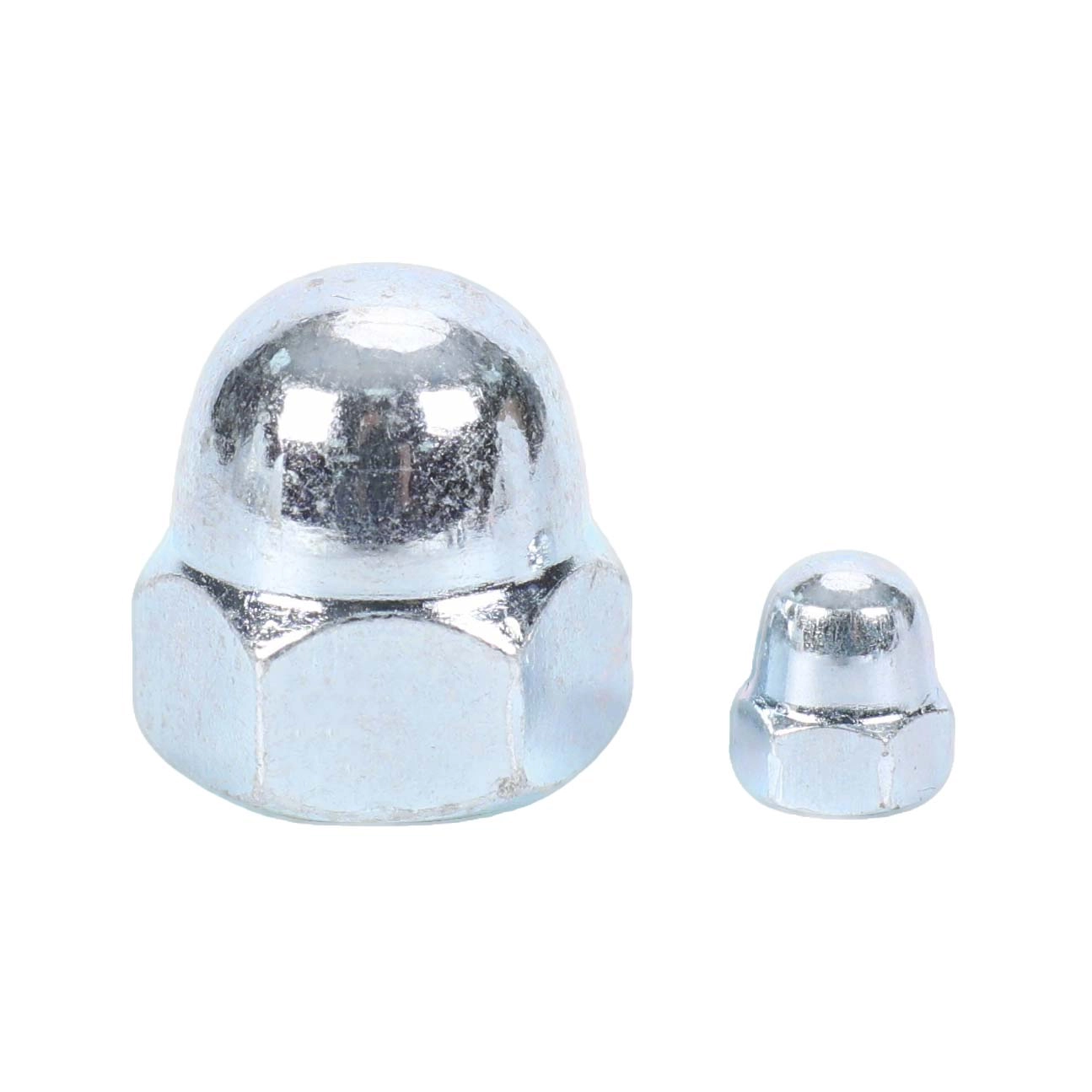
A cap nut has a closed top that covers the exposed threaded end of a bolt or stud. This design is useful in assemblies where exposed threads need to be concealed. However, covering the threads does not automatically make the connection waterproof or corrosion-resistant.
Exposed threads can scratch people, clothing, or nearby components. By covering the threaded end, a cap nut helps reduce this risk. For this reason, cap nuts are commonly used in furniture, railings, and some external equipment connections.
After a standard nut is tightened, the end of the bolt may remain visible. A cap nut conceals the exposed end, creating a neater finish. It is therefore also suitable for display racks, furniture, and decorative metal structures.
| Application | Key Selection Considerations |
|---|---|
| Furniture and display racks | Appearance, thread size, and installation space |
| Railings and outdoor facilities | Material, corrosion resistance, and contact safety |
| External machinery connections | Thread compatibility, internal depth, and connection requirements |
| Decorative metal structures | Shape, surface finish, and appearance after assembly |
Whether a cap nut is suitable depends on the actual operating conditions. For connections exposed to high loads or continuous vibration, check the required mechanical properties and connection design. The closed top alone does not determine load capacity or resistance to loosening.
When selecting a cap nut, check the thread compatibility as well as the following factors:
✧After installation
Confirm that the cap nut is properly seated and the joint surfaces are fully in contact. Insufficient internal clearance can cause false tightening and prevent the connection from being clamped correctly.
Cap nuts are primarily used to cover exposed threads, reduce the risk of scratches, and improve the appearance of an assembly. Choosing the right one requires checking thread specifications, internal depth, material, and actual service requirements.